
Home
About Amber
Portfolio

Home Search
Home Valuation
Neighborhoods
Testimonials
Buyer's Guide
Seller's Guide
Mortgage Calculator
Contact Us
My Search Portal
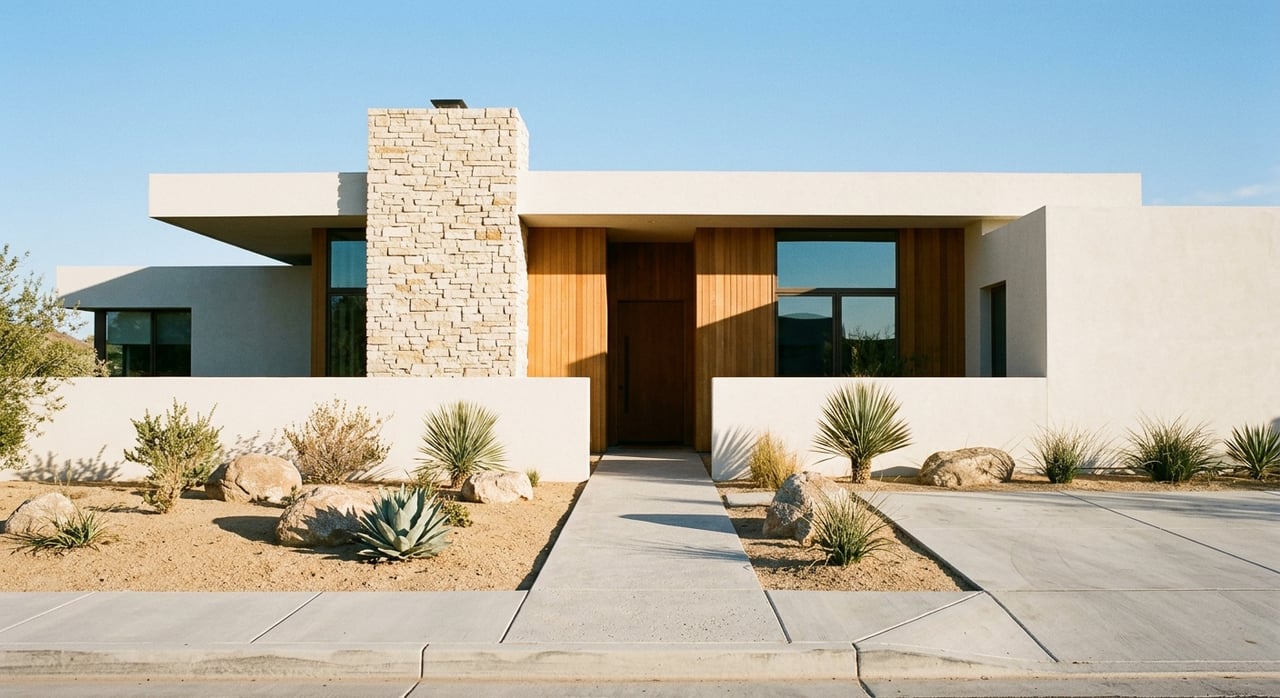
Choosing between Palm Springs and Palm Desert for a vacation home can feel harder than it should. Both offer sun, desert views, pools, and a strong second-home lifestyle, but they do not live the same way day to day. If you are trying to decide where your money and your time will feel best spent, this guide will help you compare lifestyle, housing style, ownership costs, and rental rules so you can make a smarter choice. Let’s dive in.
Palm Springs sits on the western edge of the Coachella Valley and covers about 96 square miles. The city is closely tied to its downtown core, mountain backdrop, cultural identity, and visitor economy.
Palm Desert sits more in the center of the valley and covers about 26.96 square miles. The city describes itself as the cultural and retail center of the desert communities, with a strong focus on resort amenities, shopping, and planned residential living.
If you are comparing the two as a vacation-home buyer, the difference is usually not about which city is better. It is about which version of desert living fits the way you want to spend your weekends, seasons, and long-term ownership.
Palm Springs is often the more iconic choice for buyers who want a classic desert experience. The city is known for midcentury modern heritage, a strong event calendar, and a downtown environment that feels active and central to daily life.
Official city materials describe Palm Canyon Drive as a hub for boutiques, art galleries, restaurants, antique shops, and nightlife. The city also highlights parades and festivals staged there, which supports Palm Springs’ reputation as the more walkable and event-driven option.
Palm Springs tourism materials also emphasize its relaxed desert atmosphere and year-round events. For many second-home buyers, that creates a strong sense of place that feels recognizable, social, and tied to the broader Palm Springs brand.
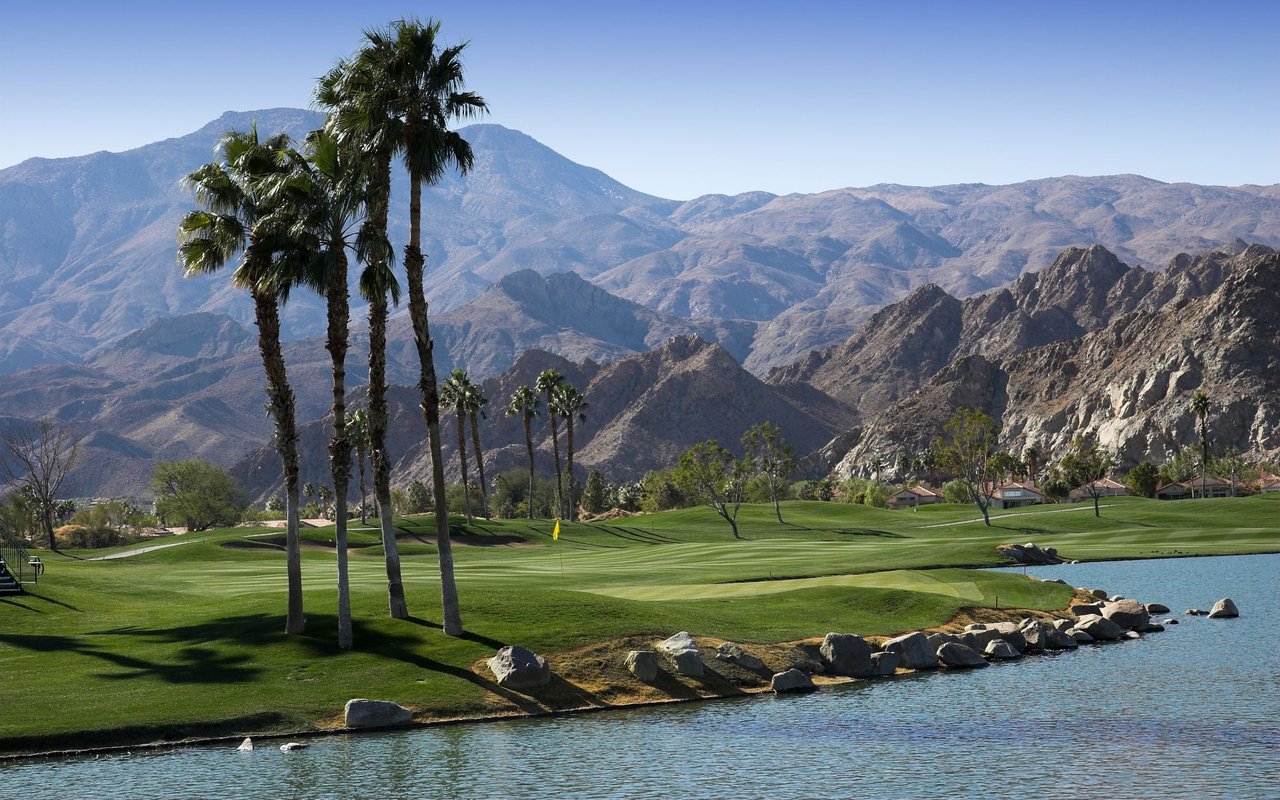
Palm Desert tends to appeal to buyers who want resort convenience and a more planned-community environment. The city highlights shopping, arts, golf, and recreation as major parts of its identity.
El Paseo is one of the clearest examples of that appeal. City and tourism materials present it as a major shopping and dining district with more than 300 shops and more than a dozen restaurants, giving Palm Desert a polished amenity-driven feel.
Palm Desert also reports 53,087 permanent residents and 32,000 seasonal residents. That seasonal mix can be especially relevant if you are looking for a second-home market where part-time ownership is already a familiar part of the local rhythm.
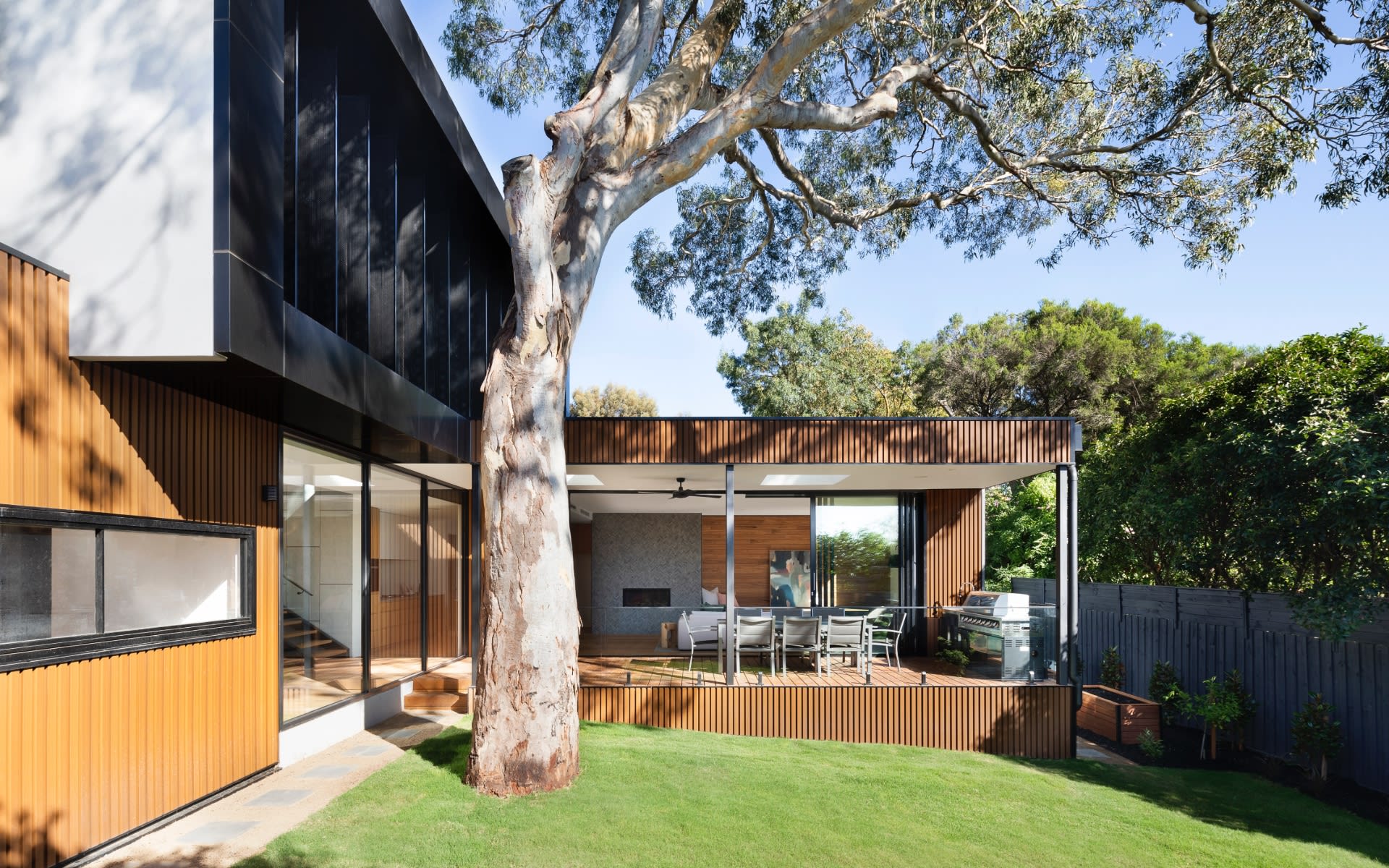
If architecture is part of your buying decision, Palm Springs and Palm Desert often feel very different. Palm Springs has the stronger public identity around design, especially midcentury modern homes and neighborhoods with distinct architectural character.
Palm Springs recognizes 52 organized neighborhoods, and public tourism materials point to areas such as Twin Palms, Vista Las Palmas, Deepwell, Old Las Palmas, Warm Sands, and Indian Canyons as examples of its variety. Across the city, you will find Spanish-inspired homes, ranch homes, postwar tract homes, condos, and contemporary estates.
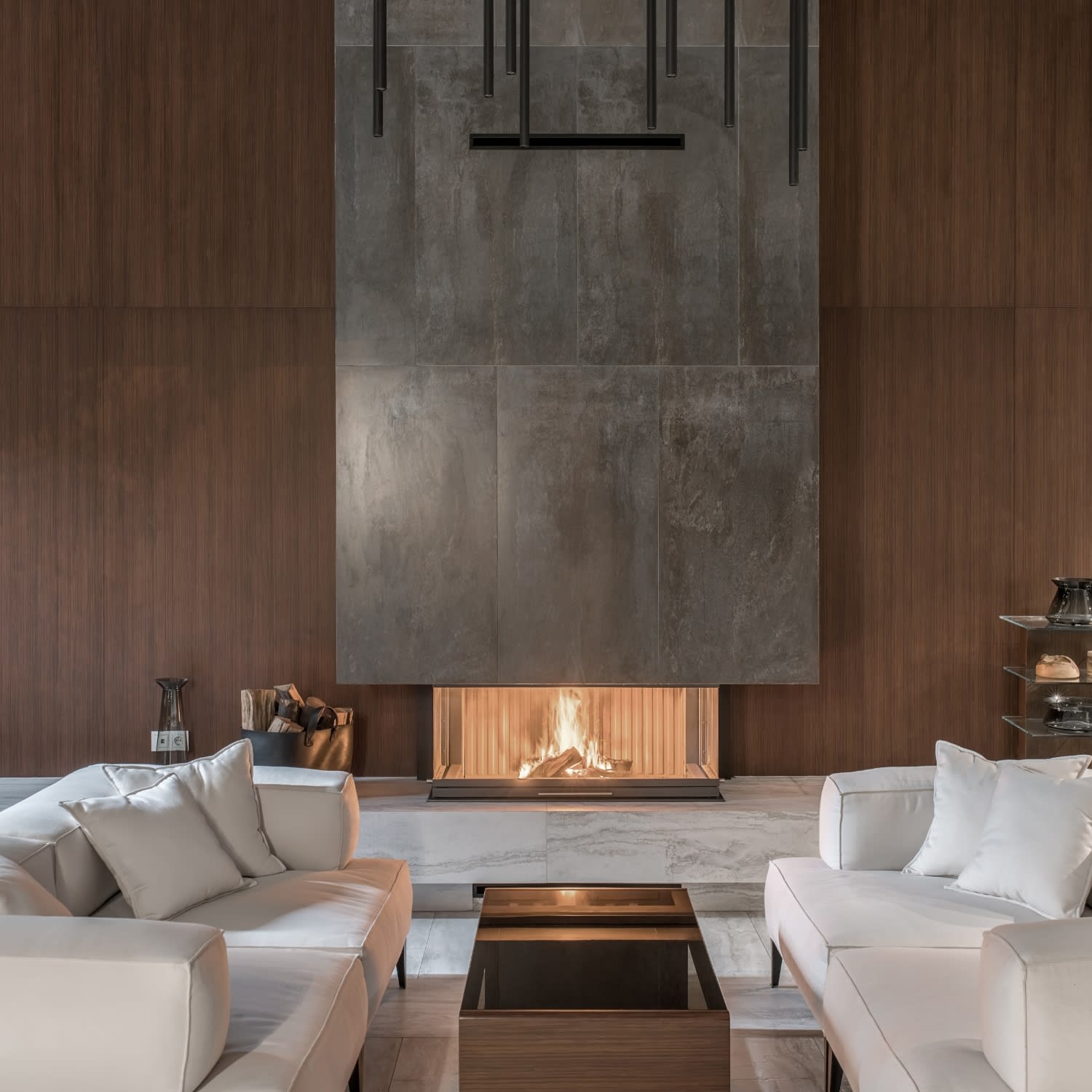
Palm Desert has an older country-club and resort-development footprint, but its public identity is less centered on architecture as a destination. It more often aligns with resort, club, and planned-community living, which can be a great fit if you care more about amenities and low-maintenance ownership than a specific architectural style.
Both Palm Springs and Palm Desert are hot, dry desert markets with more than 350 days of sunshine each year. That sounds great in winter, but it also means your summer ownership costs and comfort depend on how well a home handles heat.
NOAA normals for Palm Springs Regional Airport show a July average high of 108.6 degrees and a July average low of 79.4 degrees, with annual precipitation of 4.61 inches. Palm Desert reports a mean temperature of 73.1 degrees, average rainfall of 3.38 inches, and July temperatures around 106 degrees and 79 degrees.
In practical terms, both cities require the same kind of planning. You will want to pay close attention to HVAC condition, insulation, shade, pool equipment, irrigation, and desert-friendly landscaping before you buy.
If you plan to offset costs with short-term rentals, this is one of the most important differences between the two cities. Palm Springs and Palm Desert both regulate short-term rentals, but they do so in different ways.
Palm Springs says vacation rentals and homesharing are only ancillary uses and limits them to single-family dwelling units. The city caps new permits at 26 contracts per year and existing permits at 32 contracts per year, applies a 20% neighborhood cap, and lists a new or annual vacation-rental registration fee of $1,046.
Palm Springs also bans outside amplified music at rental properties and ties parking and occupancy limits to the number of bedrooms. If rental income is part of your ownership plan, these rules should be reviewed early because they can affect both eligibility and expected use.
Palm Desert also requires a short-term rental permit, but the city structure is different. The annual permit cost is $29, many HOA communities must provide an annual HOA approval letter confirming that short-term rentals are allowed under the CC&Rs, and the city limits short-term rentals in R1 and R2 zones unless the owner is on-site.
Palm Desert also requires a minimum stay of 3 days and 2 nights and sets transient occupancy tax at 12%, made up of an 11% city TOT plus a 1% Greater Palm Springs Tourism Business Improvement District assessment. For many buyers, the bigger issue is not the permit fee itself but whether a specific HOA allows the use you want.
For second-home buyers, HOA rules can shape your experience as much as the property itself. That is especially true in Palm Desert, where many homes are in planned communities, country clubs, or developments with their own governing documents.
Even if a city allows short-term rentals, an HOA may prohibit them or place extra conditions on owners. In Palm Desert, HOA approval may be required annually for short-term rentals, which makes document review a key part of due diligence.
Palm Springs buyers should also pay close attention to neighborhood-level limits and city permit caps. The result is the same in both markets: you want to confirm city rules, zoning, and HOA restrictions before you assume a vacation home can be used in a certain way.
Many buyers focus first on purchase price, but desert carrying costs deserve just as much attention. In both Palm Springs and Palm Desert, California property tax basics are generally the same because Riverside County explains that Proposition 13 sets the tax rate at 1% of assessed value, with annual increases generally limited to 2%.
Riverside County also notes that special assessments such as Mello-Roos, sewer, garbage, and maintenance charges can be added by local agencies. That means your true monthly cost may depend less on the city name and more on the home’s HOA dues, special assessments, insurance, utilities, pool care, and rental compliance needs.
Both cities also point toward heat-aware and water-wise ownership. Palm Springs encourages native landscaping and desert-adapted plantings, while Palm Desert’s planning priorities include reduced energy and water use and stronger heat-mitigation efforts.
Palm Springs may be the better fit if you picture a vacation home with strong architectural character, easier access to a downtown setting, and a lifestyle tied to events, design, and the city’s classic desert identity. It often appeals to buyers who want the home itself and the surrounding setting to feel distinctive.
Palm Desert may be the better fit if you want a resort-oriented environment, access to shopping and golf, and a planned-community feel that can make second-home ownership more structured and convenient. It often appeals to buyers who prioritize amenities, club living, and lifestyle ease.
Neither choice is one-size-fits-all. The best decision usually comes down to how you want to spend your time, whether rental flexibility matters, and how comfortable you are with the rules and recurring costs attached to the property.
When you tour homes in Palm Springs and Palm Desert, try to compare more than finishes and photos. Look at the full ownership picture, including neighborhood feel, proximity to the lifestyle you want, HOA structure, rental rules, and monthly carrying costs.
It also helps to compare properties by use case. A home that feels perfect for personal seasonal enjoyment may not be the best fit if you want rental flexibility, and a home in a resort setting may offer a very different ownership rhythm than one near Palm Springs’ downtown core.
Working with a local advisor who understands both city-level rules and community-level differences can save you time and help you avoid costly assumptions. That is especially important in the Coachella Valley, where two homes with similar price points can come with very different ownership realities.
If you want help comparing Palm Springs and Palm Desert through the lens of your budget, lifestyle, and long-term plans, Amber Haaland can help you narrow the options and move forward with confidence.
Browse active listings in the area or contact us for off-market listings.
Have an expert help you find out what your home is really worth.