Travel often and want a home in Indian Wells that takes care of itself while you are away? You are not alone. Many buyers here want a secure, low-maintenance base that feels effortless to lock and leave between visits. In this guide, you will learn what to look for, which property types work best, the services that matter most, and the due diligence to protect your investment. Let’s dive in.
Why Indian Wells fits lock-and-leave living
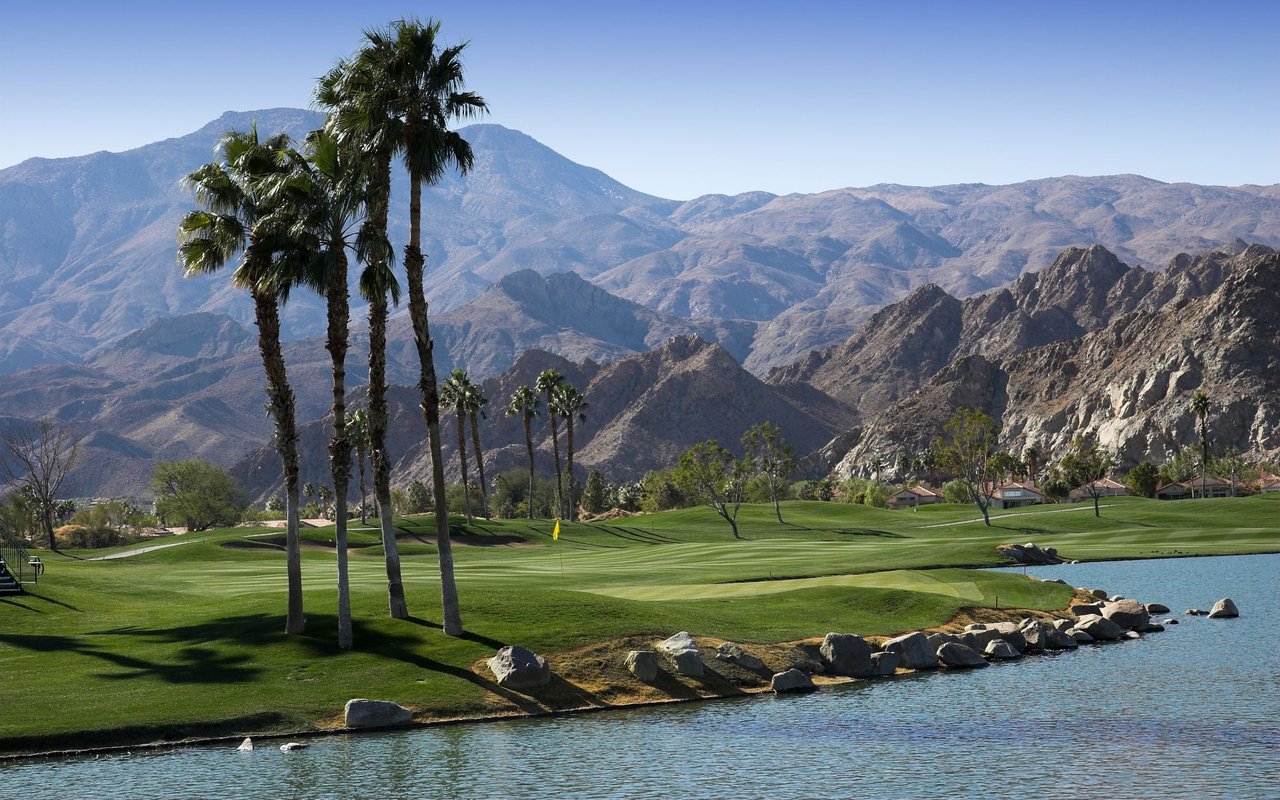
Indian Wells is known for luxury golf communities, resort-style amenities, and the Indian Wells Tennis Garden. Many owners are seasonal residents or second-home buyers who value turnkey living. That demand has led many communities to offer staffed gates, concierge support, and service options designed for extended absences. In a desert climate with hot summers and mild winters, careful attention to HVAC, irrigation, and pest control keeps homes running smoothly while you are away.
Best property types for low upkeep
Condominiums
- Strengths: Minimal on-site responsibilities, HOA handles exterior and common areas, often gated with controlled access and package handling. Smaller interiors are faster to prep before leaving.
- Considerations: Shared walls and less outdoor privacy. Confirm what HOA dues include, such as water, exterior insurance, cable, and landscaping.
- Good fit: You want the lightest vendor coordination and frequent travel.
Attached villas or townhomes
- Strengths: Private entrance and a house-like feel with some exterior care covered by the HOA.
- Considerations: Small yards or patios may require storage planning and irrigation oversight. Verify whether palm trimming and irrigation are included.
- Good fit: You want more privacy than a condo with low maintenance.
Detached homes in gated communities
- Strengths: Privacy, larger interiors, and private pools or yards. Many tasks can be contracted through the community or vetted vendors.
- Considerations: Expect to manage pool, irrigation, and pest control unless the HOA offers bundled services. Operating costs are usually higher.
- Good fit: You want space and privacy while outsourcing most maintenance.
Private-club or staffed communities
- Strengths: Onsite staff, gate guards, concierge, and optional property management. Some offer housekeeping and opening or closing services.
- Considerations: Highest HOA and club cost tier, with separate membership fees and possible wait lists. Rules can be strict.
- Good fit: You want a turnkey, service-rich lifestyle.
HOA and services to prioritize
Governance and dues
Full-service communities often cover exterior maintenance, common-area pools and spas, perimeter security, trash, and sometimes cable or Wi‑Fi in common areas. Ask for HOA budgets, reserve studies, financials, and minutes to understand stability and any history of special assessments. Expect higher dues where on-site staffing and concierge services are available.
Security features
Look for guarded entry gates, electronic access control, perimeter fencing and cameras, and mobile patrols. A staffed concierge that can accept packages is a plus. For your individual home, consider monitored alarms, smart locks, and video doorbells for remote visibility. Ask how guest access codes are issued, if cameras are recorded and for how long, and whether security is staffed 24/7.
Exterior and systems care
For true lock-and-leave ease, prioritize communities that include pool service, landscaping, palm care, and storm debris cleanup. In the desert, irrigation programming and water management are critical. Confirm who controls irrigation schedules and how emergency issues like leaks or outages are handled while you are away.
Utilities and smart home setup
Have HVAC serviced seasonally and use a smart thermostat for remote control. Many owners set safe temperature ranges to protect interiors. Consider automatic leak detectors and shutoff valves. A reliable internet connection supports alarms, cameras, and remote access.
Insurance and vacancy rules
Policies often include vacancy clauses that limit coverage after a set number of days. Clarify definitions for a secondary home, and review the HOA master policy versus what you must insure inside the unit. Ask an insurance broker about endorsements for water damage, rental income if applicable, and umbrella liability for guest use.
Your due diligence checklist
Ask the listing agent or seller
- How often has the home been vacant and were there any related claims?
- What exactly is included in the monthly HOA dues?
- Are there current or pending special assessments or a recent history of them?
- What are the rental rules and any permit requirements?
- Who handles pool, landscape, and pest services now, and how are they arranged?
- How are keys, gate codes, and access handled for house-watch services?
Ask the HOA manager or board
- Provide the current budget, reserve study, and last year’s financials. What is the reserve fund status?
- Provide CC&Rs, bylaws, rules, and minutes from the last 12 months.
- Describe security staffing, patrols, and camera monitoring practices.
- Which services are included versus optional, and are contracts transferable?
- What are the rules for owner-appointed managers and granting them access?
- How does the HOA alert off-site owners to emergencies?
Ask the on-site manager or vendors
- Typical response times for urgent issues and the contact protocol while you are away.
- Standard opening and closing procedures for seasonal use.
- Whether they maintain a vetted vendor list familiar with seasonal needs.
- Availability and fees for mail or package receipt, cleaning, grocery stocking, and basic concierge tasks.
Verify during inspection
- Pool equipment age, service records, and automation features.
- Irrigation system type, zone mapping, and shutoff locations.
- HVAC age and service history, plus safety features like float switches.
- Presence of water sensors, auto shutoff valves, and monitored alarms.
- Roof condition and exterior finish history under desert sun exposure.
Cost drivers to budget
- HOA and club dues: Higher in staffed or private-club settings that include concierge and robust services.
- Utilities and seasonal operation: HVAC is a major summer expense; pool heating and service add costs for private pools.
- Property management and house-watch: Budget for weekly or biweekly checks and opening or closing services.
- Insurance: Premiums may be higher for secondary homes; vacancy endorsements can affect cost.
- Landscape and water: Desert-friendly designs reduce irrigation, while mature palms and lush plantings increase maintenance.
Seasonal prep: before you lock and leave
- Confirm pool and irrigation schedules and adjust for expected weather.
- Set the thermostat for efficiency and protection.
- Turn off the main water if practical, or install leak detection if water must remain on.
- Secure valuables and store outdoor furniture or confirm HOA storage options.
- Give your manager emergency contacts, insurance info, and a secure access method.
- Arrange mail holds, forwarding, or concierge receipt to avoid package issues.
Rental and resale tips
If you plan to rent when away, verify your HOA rules and any local transient occupancy tax requirements before listing. Keep clear records of service contracts, HOA coverage, and smart-home features. Buyers often value documented, turnkey systems in Indian Wells, which can support resale appeal.
How we help
Choosing the right Indian Wells community comes down to matching your lifestyle with the level of service you want. We help you compare HOA coverage, security protocols, and vendor options, and we coordinate trusted local partners for inspections and ongoing care. If you are ready to find a true lock-and-leave fit, connect with Amber Haaland to plan your next steps.
FAQs
What is a lock-and-leave home in Indian Wells?
- A property set up for extended absences, with secure access, low-maintenance systems, and community or vendor support for exterior care, security, and emergencies.
Which property type is lowest maintenance for seasonal use?
- Condominiums typically require the least owner coordination because HOAs handle exterior and common areas, and many buildings have controlled access and package handling.
What HOA items should I review before buying?
- Ask for budgets, reserve studies, financials, rules, and recent minutes, and clarify exactly which services are included versus optional.
How important is security in a lock-and-leave choice?
- Very important; staffed gates, patrols, access controls, cameras, and a concierge for packages can reduce risk and simplify guest or vendor access.
How do desert conditions affect maintenance?
- Hot summers make HVAC servicing essential, and irrigation management is critical. Plan for routine pest control, palm care, and storm debris cleanup.
What insurance issues should seasonal buyers consider?
- Confirm vacancy clauses, understand the HOA master policy, and review needed endorsements like water damage, rental income, and umbrella liability.