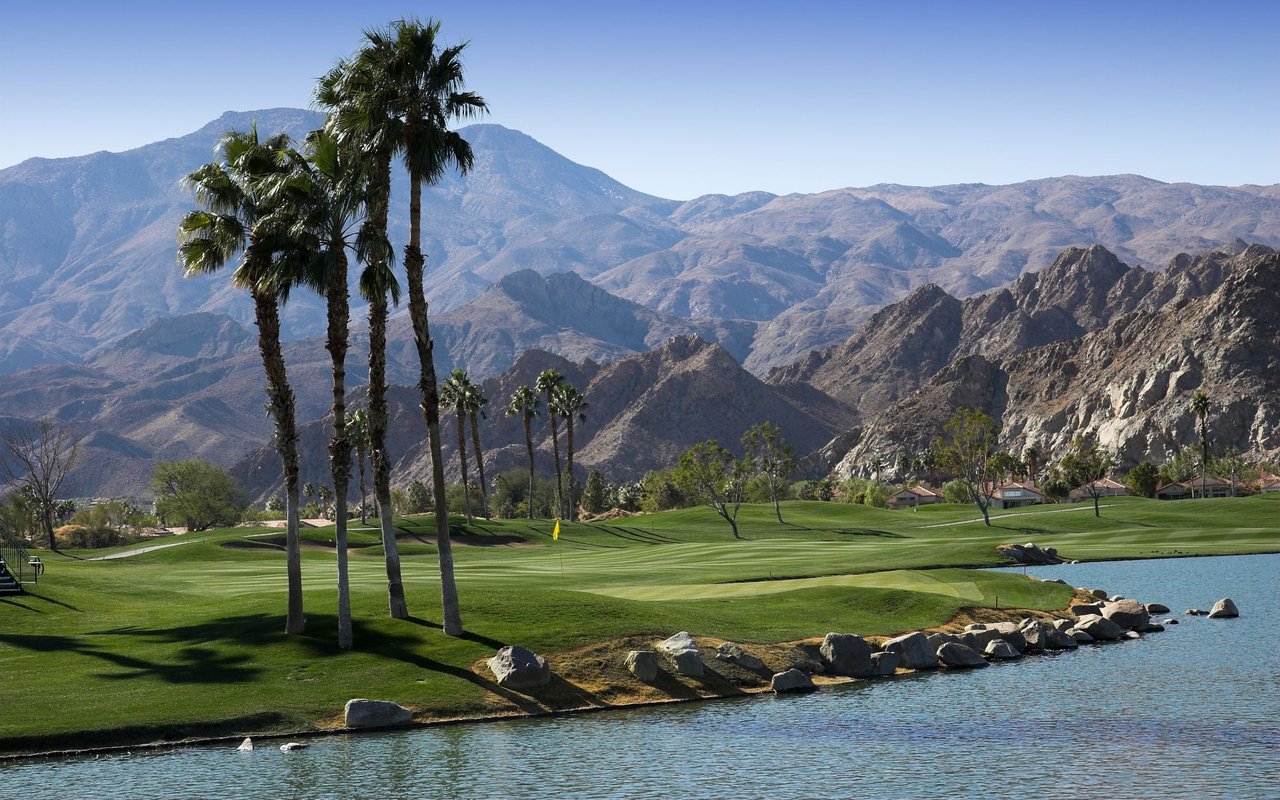
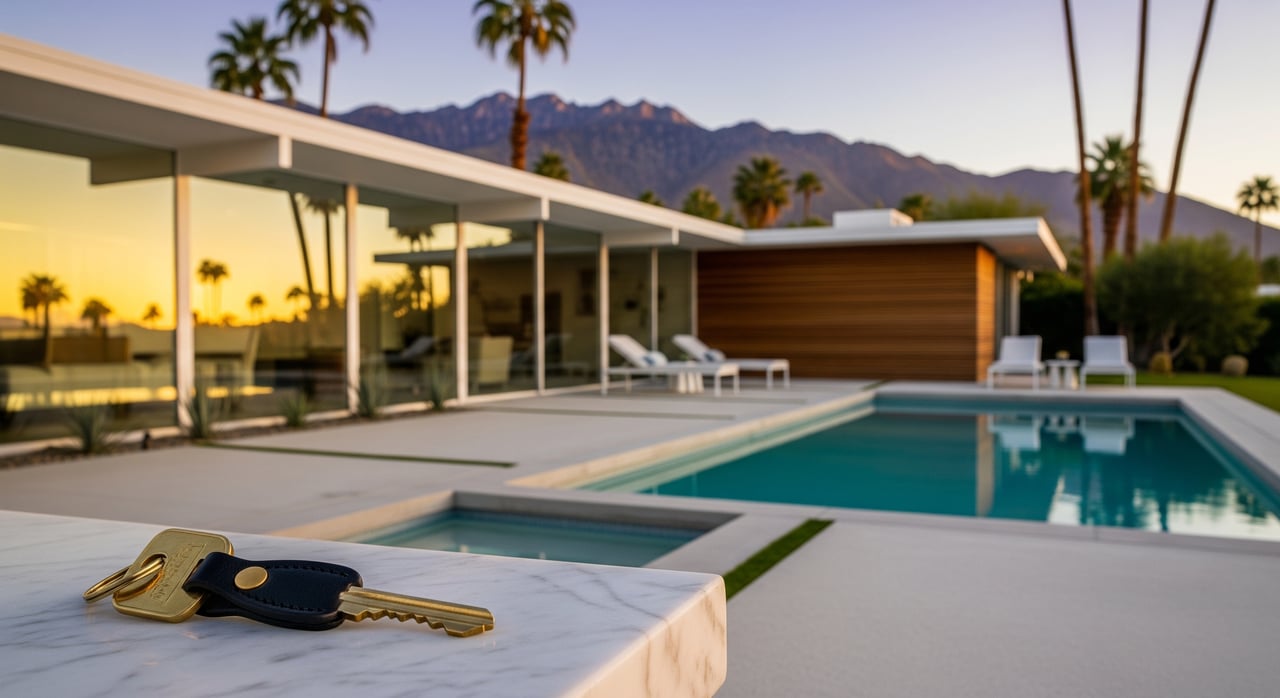
Buying in Palm Springs comes with sunshine, mountain views, and a few line items you need to plan for at the closing table. If you are budgeting for a first home or a second home, understanding closing costs can help you avoid surprises and negotiate with confidence. In this guide, you will learn what buyers typically pay, what the seller often covers, what is negotiable, and how much to set aside based on local norms. Let’s dive in.
Palm Springs closing costs at a glance
Closing costs are the fees, taxes, and prepaids collected when you complete your purchase and your loan funds. They are separate from your down payment. In California, a practical planning range for buyers is about 2% to 5% of the purchase price. Your final number depends on your loan type, whether the seller contributes, and local items like HOA fees or special assessments.
What buyers typically pay in California
Below are common buyer and seller line items. Local practice varies, and most items can be negotiated in your purchase contract.
Escrow and settlement fees
- What it covers: Escrow’s work to manage funds, documents, recording, and disbursements.
- Who usually pays: Often split between buyer and seller.
- Typical range: $500 to $3,000 per side based on price and fee schedule.
Title insurance
- What it covers: Policies that protect ownership (owner’s policy) and the lender (lender’s policy).
- Who usually pays: Seller often pays the owner’s policy. Buyer usually pays the lender’s policy.
- Typical range: Owner’s policy can be a few hundred to several thousand dollars depending on price. Lender’s policy is smaller and tied to loan amount.
Recording and notary fees
- What it covers: County charges to record the deed and deed of trust, plus notary.
- Who usually pays: Buyer often pays most loan-related recording fees.
- Typical range: $50 to $300 total depending on documents recorded.
Loan origination and lender fees
- What it covers: Origination, underwriting, processing, application, and any discount points.
- Who usually pays: Buyer.
- Typical range: About 0.5% to 1.5% of the loan amount, but this varies by lender and program.
Appraisal and inspections
- What it covers: Appraisal required by most lenders, plus property inspections you choose.
- Who usually pays: Buyer.
- Typical range: Appraisal $450 to $900 or more. Inspections $300 to $1,000 or more based on scope.
Prepaids and escrow impounds
- What it covers: Initial deposits for property taxes and homeowners insurance, plus prepaid interest from funding to your first payment.
- Who usually pays: Buyer.
- Typical range: Often 2 to 6 months of taxes and insurance. This can reach into the thousands based on timing and premium amounts.
Property tax prorations and assessments
- What it covers: Prorated property taxes between buyer and seller. Special assessments may also be prorated.
- Who usually pays: Prorated between both parties based on the closing date.
- Typical range: Varies with tax rates and any special district levies.
HOA transfer and document fees
- What it covers: HOA resale documents and transfer processing. Buyers may also pay move-in fees or first month’s dues.
- Who usually pays: Often the seller pays the resale packet. Other HOA fees can be split or assigned by local custom.
- Typical range: $150 to $600 or more for documents. Dues vary by community.
Homeowners insurance premium
- What it covers: Your first year of coverage or the amount your lender requires at closing.
- Who usually pays: Buyer.
- Typical range: Highly variable. Lenders may collect 1 to 12 months based on program rules.
Documentary transfer tax
- What it covers: A tax on the transfer of real property. Counties collect it and some cities add their own tax.
- Who usually pays: Often the seller, but it is negotiable.
- Typical rate: Many California counties use about $1.10 per $1,000 of price. City add-ons vary. Always confirm the current Riverside County and City of Palm Springs practices.
Government filings and special items
- What it covers: Additional local filing fees and possible FIRPTA withholding if the seller is a foreign person.
- Who usually pays: Varies. FIRPTA procedures involve the buyer unless escrow receives proper certifications.
- Typical range: Small local fees can add $10s to $200. FIRPTA handling depends on the transaction.
Palm Springs and Riverside County specifics
- HOA prevalence: Many Palm Springs homes and condos are in HOA communities. Budget for resale documents, transfer fees, and ongoing dues. These can affect cash to close and monthly costs.
- Mello-Roos and special districts: Some developments carry Community Facilities District assessments. These raise annual taxes and may show up as prorations at closing. Always review the Preliminary Title Report and current tax bill.
- Second-home and investment properties: Lenders and insurers may have different rules for non-owner-occupied or vacation homes. This can change loan fees, required reserves, and insurance premiums.
- Transfer tax and recording: Riverside County collects documentary transfer tax. Confirm whether any city-level tax applies in Palm Springs and check the current recording fee schedule when you are under contract.
- Natural Hazard Disclosure: California sellers provide a Natural Hazard Disclosure report. The fee is modest and commonly handled by the seller, subject to negotiation.
How much will you pay? Three example scenarios
These examples show estimated buyer closing costs only. Down payment is separate. Exact numbers depend on your loan, lender credits, escrow and title fee schedules, HOA charges, and timing.
Scenario A: $400,000 condo or single-family
- Loan fees and appraisal: $3,000 to $8,000
- Escrow fee, buyer share: $700 to $1,500
- Lender’s title policy and recording: $800 to $1,500
- Prepaids and impounds: $1,500 to $4,000
- HOA transfer and documents, if any: $200 to $600
- Miscellaneous: $100 to $400
Estimated buyer closing costs: $6,300 to $16,000 (about 1.6% to 4.0% of price)
Scenario B: $800,000 typical Palm Springs home
- Loan fees and appraisal: $5,000 to $12,000
- Escrow fee, buyer share: $1,000 to $2,500
- Lender’s title policy and recording: $1,200 to $2,500
- Prepaids and impounds: $3,000 to $8,000
- HOA costs, if any: $200 to $800
- Miscellaneous: $200 to $600
Estimated buyer closing costs: $10,600 to $26,400 (about 1.3% to 3.3% of price)
Scenario C: $1,500,000 higher-end property
- Loan fees and appraisal: $8,000 to $25,000
- Escrow fee, buyer share: $1,500 to $4,000
- Lender’s title policy and recording: $2,500 to $5,000
- Prepaids and impounds: $6,000 to $18,000
- HOA costs, if any: $200 to $1,000
- Miscellaneous: $300 to $1,000
Estimated buyer closing costs: $18,500 to $54,000 (about 1.2% to 3.6% of price)
What is negotiable
- Escrow split and title policy: You can negotiate how escrow fees are split and who pays the owner’s title policy.
- Seller credits: Many loan programs allow the seller to contribute toward your closing costs and prepaids. FHA commonly allows up to about 6% of the price. Conventional limits vary by down payment and occupancy. Always confirm your maximum with your lender.
- HOA and report fees: HOA transfer fees, move-in fees, and minor third-party reports can be negotiated in your offer.
Budgeting steps for Palm Springs buyers
- Ask your lender for a Loan Estimate early and compare fee details.
- Request an itemized estimate from escrow and title for your specific property.
- Review the Preliminary Title Report for liens, Mello-Roos, and special assessments.
- Confirm HOA document fees, transfer fees, and monthly dues with the HOA.
- Clarify in writing who pays the owner’s title policy and transfer tax before you open escrow.
- Build in a cushion. Plan for the higher end of 3% to 4% unless you have confirmed seller credits.
- If the seller may be a foreign person, ask escrow about FIRPTA procedures early.
Key documents and timing
- Loan Estimate: You receive this within three business days after you apply. It outlines projected loan and closing costs.
- Closing Disclosure: You receive this at least three business days before closing. Review it line by line and ask escrow or your lender about any changes before you sign.
- Final settlement statement: Escrow issues this at closing so you can see every charge and credit.
Ready to run your numbers?
If you want a tailored estimate for a specific home, we are happy to help coordinate real quotes from a local lender, escrow, and title so you know your true cash to close. For a clear game plan and up-to-date Palm Springs customs, connect with Amber Haaland for a quick consultation.
FAQs
What are typical buyer closing costs in Palm Springs?
- Buyers often plan for about 2% to 5% of the purchase price, depending on loan type, timing, HOA fees, and whether the seller contributes.
Who usually pays for title insurance in Palm Springs?
- In much of Southern California the seller often pays the owner’s policy, while the buyer pays the lender’s policy. This is custom and can be negotiated.
Does Palm Springs charge a city transfer tax on home sales?
- Riverside County collects a documentary transfer tax, and some cities add their own tax. Confirm whether the City of Palm Springs currently imposes a city tax during your transaction.
How do HOA communities affect my closing costs?
- Expect HOA resale documents and transfer fees, plus possible move-in fees or first month’s dues. The exact amounts vary by community and can be negotiated.
What are Mello-Roos or CFD assessments in the Coachella Valley?
- These are special district taxes that increase annual property taxes and may be prorated at closing. You will see them in the Preliminary Title Report and the tax bill.
When do I see my final closing numbers before signing loan docs?
- Your lender must provide a Closing Disclosure at least three business days before closing so you can review your final costs and ask questions.