Home
About Amber
Portfolio

Home Search

Home Valuation
Neighborhoods
Testimonials
Buyer's Guide
Seller's Guide
Mortgage Calculator
Contact Us
My Search Portal
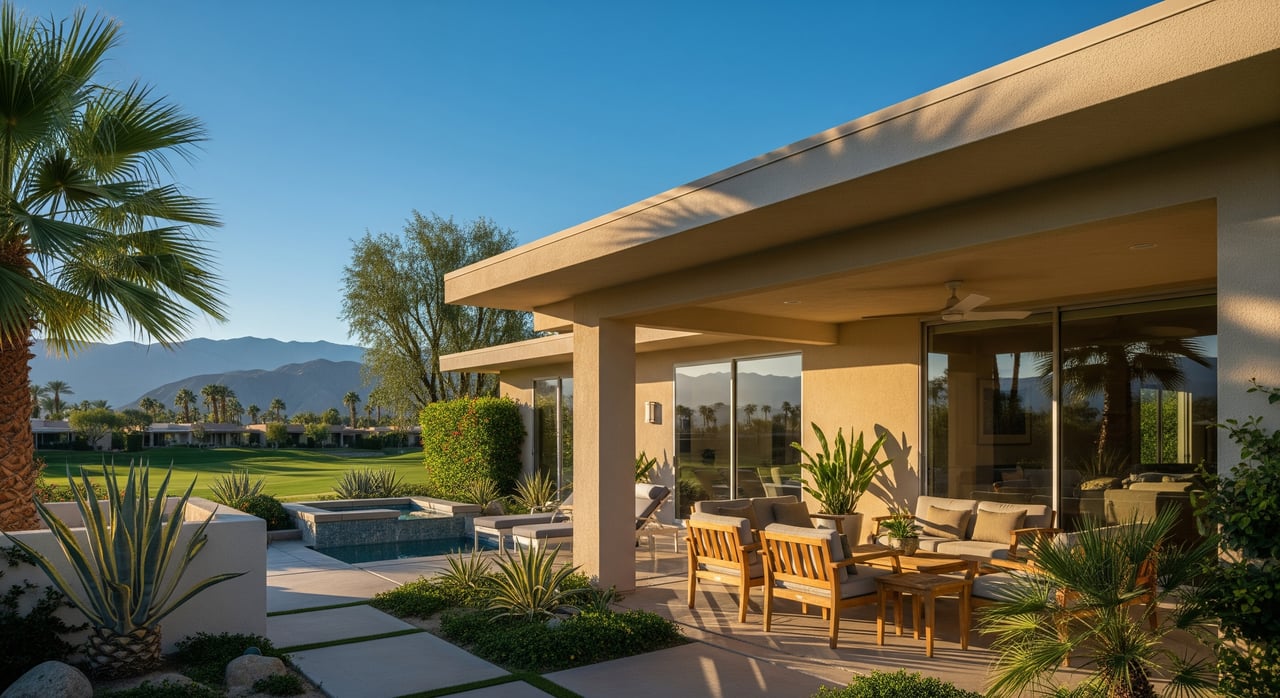
Thinking about a 55+ community in Palm Desert but not sure how the rules, fees, and lifestyle actually work? You’re not alone. Age-restricted housing has unique benefits and requirements, and understanding them early can save you time and stress. In this guide, you’ll learn how 55+ housing is defined under the law, what to expect in Palm Desert communities, the real costs, and a simple checklist to compare options with confidence. Let’s dive in.
A 55+ community is a housing option designed for older adults that operates under a federal exemption called the Housing for Older Persons Act. To qualify, at least 80% of occupied homes must have one resident who is 55 or older. Communities also need to publish and follow policies that show they intend to operate as housing for older persons.
California fair housing rules align with these federal standards. Age-restricted housing that meets the federal criteria is allowed. Accessibility laws apply separately, so common areas and any public facilities must follow applicable accessibility requirements.
The bottom line: legitimate 55+ communities can limit occupancy by age if they meet the federal criteria and maintain proper records.
You should expect to provide age documentation during purchase or lease. Most communities accept a driver’s license, passport, or birth certificate. Many HOAs also conduct periodic surveys to keep records current.
If occupancy rules are violated, HOAs can enforce their policies through notices or fines, subject to state and federal law. In complex cases that involve disability or discrimination questions, residents may seek guidance from fair housing agencies. Communities that take age verification and recordkeeping seriously tend to have smoother operations.
Palm Desert sits in the Coachella Valley, a long-standing retirement and resort destination. You’ll find a range of 55+ options designed for independent, active living.
Most Palm Desert 55+ communities emphasize outdoor living and social connection. It’s common to see golf or nearby access, resort-style pools, fitness centers, walking paths, organized clubs, and seasonal activity calendars. On-site cafés or restaurants and security gates are also typical.
Healthcare access is a priority for many buyers. Residents often use medical centers and specialists throughout the Coachella Valley, including nearby cities. When comparing communities, look at convenience to shopping, healthcare, dining, and trails. The feel of the social calendar and HOA culture can matter as much as the homes themselves.
HOA dues vary widely based on amenities and services. In condos, dues may cover exterior maintenance. In other communities, they may cover landscaping of common areas, security, pools, and club operations. Some HOAs include certain utilities or trash service.
Ask for the HOA’s current budget and reserve study. Strong reserves help reduce the risk of special assessments for big projects. Review any recent special assessments and the association’s meeting minutes for context on maintenance planning and fee trends.
Property taxes in California are generally governed by Proposition 13. Individual parcels can also carry special assessments, sometimes called Mello-Roos or other district fees. Review the property’s tax bill so you know the full picture.
Insurance needs depend on the property type. A condo will typically require HO-6 interior coverage because the HOA carries a master policy for the structure and common elements. Single-family homes usually require an HO-3 policy. Earthquake insurance is separate and optional in most cases, and you may want to discuss it with your insurer.
For most fee-simple and condo properties, mortgages work much like any other home purchase. Lenders will look at your credit, income, and the property’s condition.
There are a few special considerations:
Resale strength in 55+ communities depends on amenities, HOA health, and location within Palm Desert. Communities with active social programming, good maintenance, and well-funded reserves tend to hold value better. High fees without strong amenities or signs of deferred maintenance can impact demand.
Palm Desert’s market often has seasonal patterns, with more activity during peak months when seasonal residents are in town. If you plan to sell, timing your listing and preparing HOA documents early can help you stand out.
Use this list to compare communities and individual homes side by side:
If you’re selling, a little preparation goes a long way in a 55+ community:
Many buyers look for practical features like single-level living, minimal steps, wide hallways, or bathroom layouts that can accept grab bars. Exterior changes or ramps may require HOA approval, so review the rules before planning modifications.
Communities must consider reasonable accommodation requests for disabilities. Service and support animal rules may differ from standard pet policies, and fair housing protections can apply.
Start with lifestyle fit, then layer in rules and costs. As you tour, ask:
When you combine lifestyle, location, and strong HOA fundamentals, you’ll be set up for a smooth purchase and solid long-term enjoyment.
If you want expert help comparing communities, reviewing HOA documents, and planning a smart offer, let’s talk. We’ll align your needs with the right neighborhoods, connect you with local lenders and inspectors, and map out a clear path from tour to keys. Reach out to Amber Haaland to get started.
Browse active listings in the area or contact us for off-market listings.
Have an expert help you find out what your home is really worth.