Home
About Amber

Portfolio

Home Search
Home Valuation
Neighborhoods

Testimonials

Buyer's Guide
Seller's Guide
Mortgage Calculator
Contact Us
My Search Portal
Wondering if Coachella and Stagecoach really move the needle in Indio real estate? The short answer is yes, but not in the way many people assume. If you are buying, selling, or weighing a second home or rental opportunity in Indio, it helps to understand how festival season creates a sharp burst of demand while the broader housing market still follows its own rhythm. Let’s dive in.
Indio’s spring season is anchored by two of the area’s biggest events: the Coachella Valley Music & Arts Festival and Stagecoach, both held at the Empire Polo Club. In 2026, Coachella runs April 10 to 12 and April 17 to 19, and Stagecoach follows on April 24 to 26. That creates a concentrated stretch of visitor activity in April that stands out from the rest of the year.
The scale is hard to ignore. The City of Indio says nearly 1.4 million people visit the city each year for its major festivals. Visit Greater Palm Springs also reports that the region welcomed 14.5 million visitors in 2024 and generated $9.1 billion in total economic impact, which helps explain why festival season gets so much attention from buyers, sellers, and property owners.
For the housing market, the key point is simple: festival season brings a recurring wave of visitor demand. That demand does not affect every property the same way, but it can make certain homes more noticeable, especially those that fit short-stay or seasonal-use needs.
Festival demand tends to show up first in lodging, transportation, and traffic patterns. According to the City of Indio’s 2026 traffic plan, Avenue 50 between Monroe Street and Madison Avenue was closed from March 23 through May 4, and multiple roads near the venue are closed on festival weekends. The city also reports that more than 40,000 campers leave the area on the Monday after each festival, while about 40,000 guests are shuttled to and from the venue from locations across the valley.
That matters in real estate because convenience becomes more valuable during event weeks. Homes with easier parking, smoother access routes, and less complicated entry and exit can be more attractive during festival season than homes with tighter access or limited parking. This is especially true for furnished or turnkey properties that can meet short-term visitor needs.
Short-term vacation rentals are also a meaningful part of the local tourism economy. Visit Greater Palm Springs says they accounted for nearly 16% of all visitor spending in 2020, with $564 million in visitor spending and $700 million in total economic impact regionwide. That does not mean every home in Indio gets a festival premium, but it does support the idea that visitor-ready properties may see stronger seasonal interest.
It is important not to confuse festival buzz with a year-round market shift. Indio’s overall resale market still appears to lean in buyers’ favor based on current local data. Redfin reports a median sale price of $540,000 over the three months ending April 2026, with homes averaging 99 days on market and about one offer on average.
Realtor.com points in the same direction, showing a median sale price of about $550,000, 941 homes for sale, a 98% sale-to-list-price ratio, and 67 median days on market. In practical terms, that suggests festival season is more of a seasonal overlay than a citywide reset. Demand may spike for certain homes in certain locations, but the broader market still rewards careful pricing and realistic expectations.
This distinction matters whether you are buying or selling. If you are a buyer, festival headlines should not push you into assuming every home is in a bidding war. If you are a seller, event traffic may increase visibility for some listings, but you still need a strategy grounded in current market conditions.
Indio is not one uniform housing market. Local data shows meaningful differences by area, and property type also plays a big role. Realtor.com neighborhood snapshots show variation in listing prices across North Indio, Southern Indio, West Indio, and Central Indio.
A March 2026 MLS report adds another layer, with median sold prices of about $460,000 in 92201 and $445,000 in 92203. That spread is a reminder that proximity to the festival grounds, major access routes, and the type of home you own or want to buy can matter more than a single citywide average.
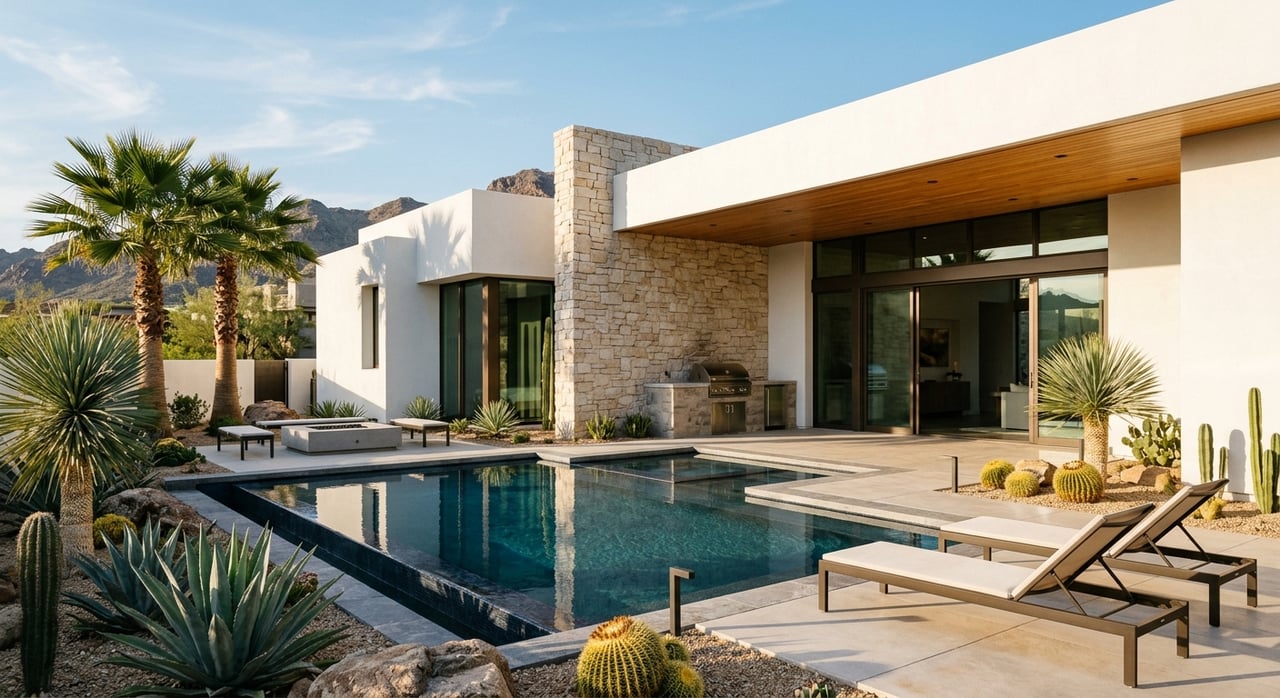
In other words, a condo, a pool home, and a larger single-family property may all perform differently during festival season. Homes closer to the Empire Polo Club or along key travel corridors may attract more seasonal attention than homes farther from event traffic. That is why local context matters so much when you are evaluating value, pricing, or timing.
Festival season tends to favor homes that are easy to use and easy to access. Based on the city’s traffic patterns and the region’s lodging economy, the properties most likely to stand out are those that feel visitor-ready and practical.
Features that may help during festival season include:
These are not guarantees of higher value. They are practical traits that may line up better with the short, intense demand that festival weeks create.
If you are buying in Indio, festival season can be useful because it reveals how a location functions under pressure. Traffic, parking, access, and neighborhood flow become much more visible in April than they might during a quieter time of year. That can help you evaluate whether a property fits your plans, whether you want a primary residence, second home, or investment-oriented purchase.
It is also smart to look beyond the event calendar. The broader resale market remains relatively slower, so you may still have room to negotiate depending on the property and the seller’s goals. A strong buying decision should balance seasonal appeal with year-round livability, carrying costs, and location practicality.
If you are considering a property for short-term rental use, local rules matter just as much as festival demand. The City of Indio requires owners of short-term residential rentals to have a business license, a short-term rental permit, and registration for transient occupancy tax collection. The city lists an annual permit fee of $1,633.00, so those costs and compliance steps should be part of your evaluation from the start.
For sellers, timing around festival season can matter, especially if your home is near the festival corridor. The City of Indio says noise from the festival site can begin on the Thursday before festival dates due to sound checks and camping. Heavy traffic and road closures continue through festival weekends and the following Mondays.
That means listing preparation needs to happen early. Professional photos, staging, repairs, and showing plans are often easier to manage before the traffic pattern intensifies. If your home could appeal to seasonal buyers or second-home shoppers, positioning it before the busiest stretch may help you capture attention without the logistical headaches of festival-week access.
At the same time, not every seller benefits from listing during that window. If access is difficult or your street is affected by festival traffic, it may be smarter to build a launch plan around the broader market rather than the event calendar alone. The right approach depends on location, property type, and your ideal buyer.
If festival season is part of your investment strategy, you need to think beyond demand. Indio’s short-term rental rules require permits and tax registration, and the city places limits on certain large temporary uses and live entertainment events within 1,000 feet of a major music festival because of public service strain and traffic congestion.
That means the better question is not just, “Will festival season create interest?” The better question is, “Can this specific property capture that interest in a compliant, practical, and sustainable way?” HOA rules, parking limits, permit costs, and year-round use all deserve careful review before you make a move.
Festival season absolutely influences the Indio housing market, but its impact is selective rather than universal. It creates short bursts of demand for homes that are well located, easy to access, and ready for seasonal use. Still, the citywide resale market continues to reflect broader buyer-seller fundamentals, including inventory levels, pricing strategy, and days on market.
If you are buying, this is a good reminder to study the exact area and property type instead of relying on festival hype. If you are selling, it is a cue to think strategically about timing, presentation, and how your home fits the needs of likely buyers. In a market like Indio, local detail matters more than broad assumptions.
Whether you are looking at a condo, a pool home, a second home, or a full-time residence, having current numbers and neighborhood-level insight can help you make a more confident decision. If you want a local perspective on how festival season may affect your move in Indio, connect with Amber Haaland.
Browse active listings in the area or contact us for off-market listings.
Have an expert help you find out what your home is really worth.