
Home
About Amber

Portfolio

Home Search

Home Valuation
Neighborhoods

Testimonials

Buyer's Guide
Seller's Guide
Mortgage Calculator
Contact Us
My Search Portal
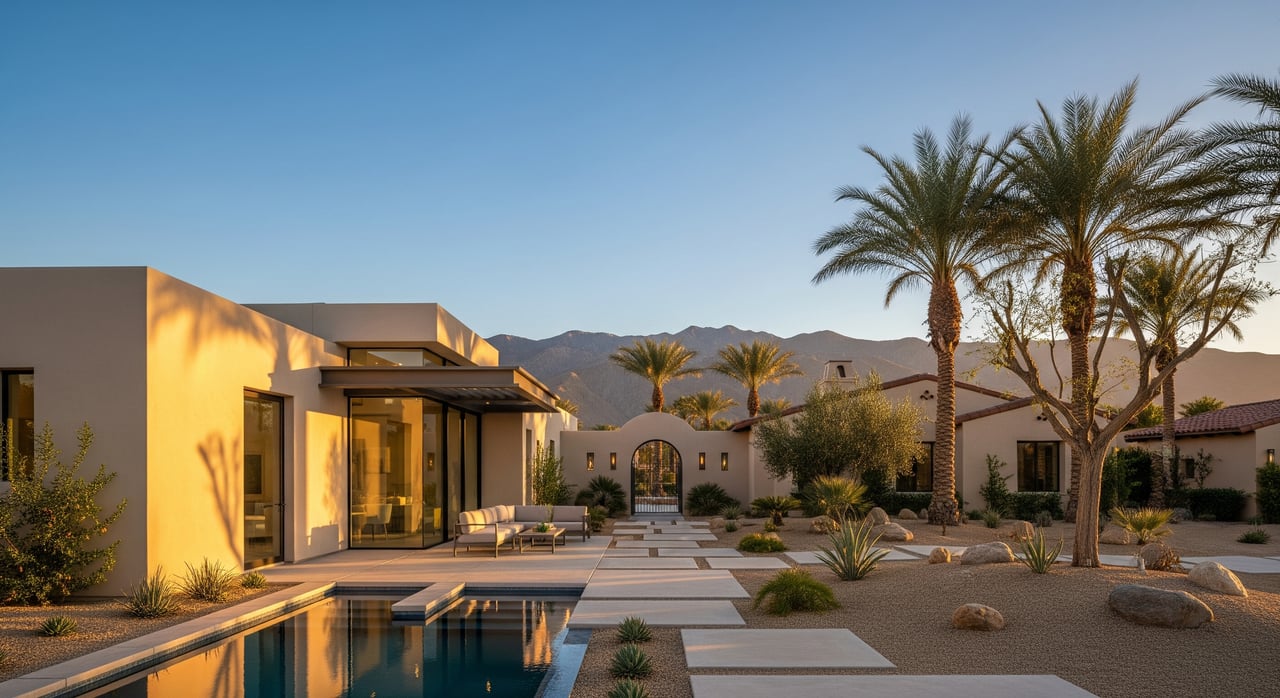
Thinking about buying in Indio and torn between a shiny new build and a well-kept resale? You are not alone. In the Coachella Valley, both options can fit your lifestyle and budget, but the best choice depends on how you weigh cost, timing, efficiency, and community feel. In this guide, you will learn what matters most in Indio’s desert climate, how to compare the true cost of ownership, and what to expect from contracts, warranties, and HOAs. Let’s dive in.
A new home gives you modern floor plans, energy efficiency, and builder warranties. You may also get incentives like rate buydowns or closing cost credits. The tradeoff is a higher sticker price per square foot and possible construction delays.
A resale home offers established neighborhoods, mature landscaping, and faster move-in. You can often negotiate price or credits, but you may face deferred maintenance and older systems. Your decision comes down to how you balance cost, certainty, and the features you value most.
New construction often carries a premium compared to a similar resale. Builders price new inventory to reflect fresh materials and modern features. Beyond the base price, plan for upgrades, landscaping, and potential utility connection fees on a new build.
In California, many newer subdivisions include special taxes such as Mello-Roos or Community Facilities District assessments. These add to your annual property tax bill and should be confirmed through the preliminary title report and county tax records. On resale homes, the purchase price may be lower per square foot, but condition and prior upgrades can change the math.
Indio’s hot desert climate means cooling costs matter. New homes usually have efficient HVAC, better insulation, and solar requirements that help reduce energy use. Resale homes may have older systems and higher upkeep, especially if the roof, HVAC, or water heater is near end of life.
Also consider water use. Desert landscaping and drip irrigation reduce ongoing costs and align with local water efficiency standards. Builders may provide basic front-yard landscaping, but you might budget for additional backyard work.
Pools and spas are popular in the Valley. In new builds, they are often upgrades that increase the total price and extend timelines. In resales, a pool may already exist, but plan for inspection and possible equipment updates.
Many builders offer incentives such as closing cost credits, rate buydowns, or appliance and upgrade packages. If the home is complete, you will use a typical mortgage. If you contract before completion, expect a builder’s proprietary contract and timelines that can affect your financing rate lock and closing schedule.
Verify how incentives interact with your appraisal and loan program. If you use FHA or VA financing, confirm community eligibility and any program-specific requirements with your lender.
Resale purchases follow a standard path with lender pre-approval, appraisal, and contingencies. Appraisals rely on comparable sales, and you may have more room to negotiate price, repairs, or credits based on inspection results.
New construction gives you choice of finishes and often the latest floor plans. You also receive builder warranties that reduce early repair risk. On the other hand, you may face construction delays, change orders, material shortages, or builder resource issues that push out your move-in date.
Review the builder’s contract carefully. Many use proprietary agreements with different contingency language, arbitration clauses, and limits on changes. Ask for clear timelines, including how change orders are handled and what happens if the completion date slips.
Resales are typically faster and more predictable. You can schedule inspections right away and work within standard escrow timelines. If you need a firm move-in date, a resale may be the safer choice.
New homes come with builder warranties. In California, builders usually provide written warranties that outline workmanship, systems, and structural coverage. You should still order independent inspections at key stages, such as pre-drywall and final, and request municipal inspection records and the certificate of occupancy.
Verify the builder’s license and track record. Ask about past litigation and check licensing through state channels. Confirm you will receive required disclosures, including notices for special taxes, HOA documents, and natural hazard information.
In California, sellers must provide a Transfer Disclosure Statement for previously occupied homes, along with other mandated disclosures, including natural hazard reports and lead paint information for older homes. Order a full home inspection, a pest inspection, and additional checks such as roof and sewer where appropriate. Request receipts for major system repairs and any permits for past work.
New homes in California are built to modern energy standards, commonly referred to as Title 24. Many new single-family homes must include solar photovoltaic systems, and builders increasingly add EV-ready wiring. In Indio, where cooling needs are high, features like high-SEER HVAC, quality insulation, low-e windows, and solar can make a meaningful difference in your monthly bills.
For resales, ask about recent HVAC upgrades, window replacements, and insulation improvements. If the home has solar, request production history, system ownership details, and any transfer requirements for a leased or power purchase agreement system.
Resale homes often sit in established areas with known traffic patterns, mature landscaping, and existing amenities. You can evaluate daily life with certainty, from commute routes to shopping corridors and nearby event venues.
New communities may be on the growing edges of Indio. You might gain new amenities and parks as phases complete, but you should expect some construction activity. Consider proximity to I-10 and Highway 111, local school boundaries, and your regular routes for dining, golf, and errands.
Many new subdivisions in the Coachella Valley include HOAs with monthly dues and rules governing exterior changes, landscaping, and short-term rentals. Resale HOA communities have a history of budgets, reserve studies, and meeting minutes that you can review. Compare dues, rules, rental policies, and any pending special assessments before you decide.
Future value depends on location, lot size, community reputation, energy features, and the pace of local job and amenity growth. New homes can command a premium early on, while resales rely on comparables in the immediate area. Evaluate both new and existing comps in your micro-market and consider how future phases or nearby developments could affect desirability.
Choose a new build if you want modern efficiency, flexible floor plans, and warranties, and you can accept a longer timeline and a higher upfront cost. New construction can be a fit if you value energy savings, EV readiness, and the ability to personalize finishes.
Choose a resale if you want a faster move-in, mature landscaping, and established neighborhood character. Resale can make sense if you prefer more price negotiation and are comfortable budgeting for system updates over time.
If you want a local, side-by-side comparison of specific communities and homes in Indio, get expert help. You will save time and reduce risk by verifying special taxes, HOA rules, and inspection needs before you write an offer. For a clear plan and options matched to your goals, connect with Amber Haaland.
Browse active listings in the area or contact us for off-market listings.
Have an expert help you find out what your home is really worth.