
Home
About Amber
Portfolio

Home Search
Home Valuation
Neighborhoods
Testimonials
Buyer's Guide
Seller's Guide
Mortgage Calculator
Contact Us
My Search Portal
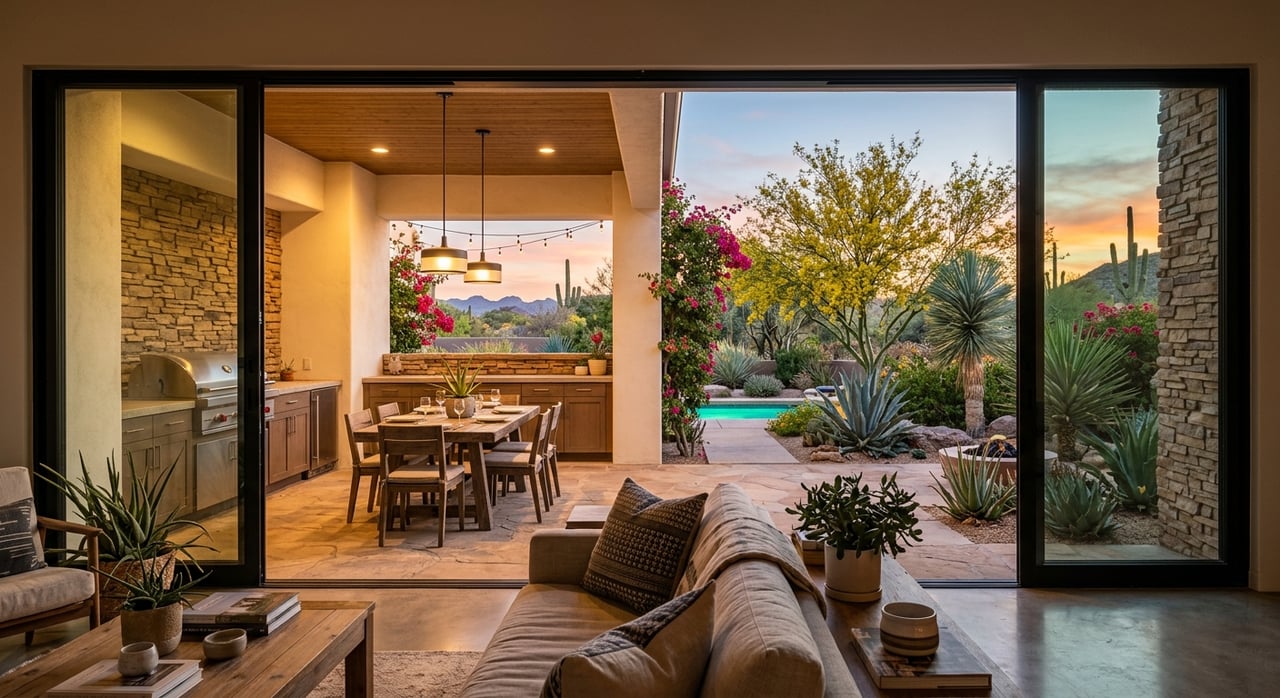
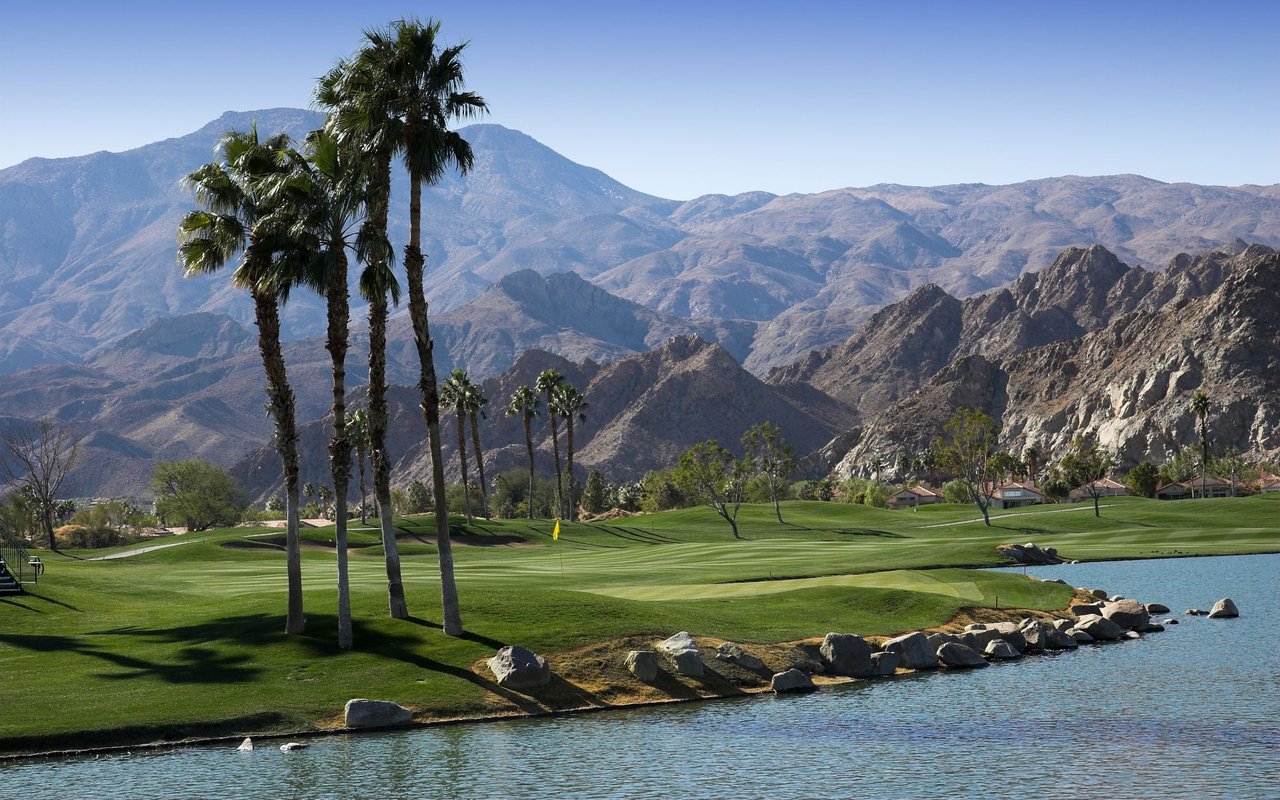
You do not have to be a golfer to want the Palm Springs resort lifestyle. If you are dreaming about sunny patios, pool days, walkable dining, and a low-maintenance home base, Palm Springs offers plenty of options beyond the fairway. This guide will help you understand where that lifestyle shows up, what kinds of communities fit the idea, and what practical details to check before you buy. Let’s dive in.
Palm Springs is built for outdoor living, but the experience changes with the seasons. Winter is warm and mild during the day with cooler evenings, while spring often brings ideal pool weather. Summer is much hotter and drier, and fall is often considered a quieter season with more breathing room around town.
NOAA climate normals for Palm Springs Regional Airport show average highs above 100 degrees from June through September. July averages 108.6 degrees, and August averages 108.1 degrees, while January averages 70.5 degrees during the day and 47.6 degrees at night. For many buyers, that means your daily routine may naturally shift toward mornings and evenings for walks, biking, and patio time.
That seasonal rhythm is a big part of the appeal. Winter and spring tend to be the busiest months for restaurants and activities, while summer can feel quieter even though evenings may still work well for patio dining or biking. If your idea of resort living includes a pool, spa, shaded outdoor space, and easy access to town, Palm Springs checks a lot of boxes.
For non-golf buyers, Downtown Palm Springs is often the most useful starting point. The city describes Downtown as the main activity center and cultural core, and Palm Canyon Drive is known for shops, galleries, boutiques, restaurants, and nightlife. It is one of the clearest examples of a lifestyle that feels active and social without needing a club membership.
The city also encourages enjoying Downtown on foot. Downtown Park sits across from the Palm Springs Art Museum, and VillageFest turns Palm Canyon Drive into a weekly street fair with shopping, entertainment, and dining. That event draws thousands of residents and visitors each week, which gives the area a lively, resort-town feel.
Practical convenience matters too. The city says the downtown parking garage offers four free hours, which can make errands, dinner plans, or a quick stop for coffee easier. If you want the option to park once and enjoy the area at your own pace, that small detail can matter more than you might expect.
Downtown is not the only place where resort-style living shows up. Palm Springs planning documents point to several mixed-use and pedestrian-oriented areas that help support an everyday lifestyle centered on convenience and leisure.
Uptown is described by the city as a mix of art galleries, boutiques, and medical and professional uses. It also serves nearby residential areas including Las Palmas, Vista Las Palmas, Movie Colony, and Ruth Hardy Park. For buyers who want to stay connected to shops and services without being right in the center of Downtown, Uptown can be a useful area to explore.
The Smoke Tree area and the Palm Canyon and Sunny Dunes corridor are also relevant for buyers looking beyond golf communities. The city envisions pedestrian-oriented retail shops, restaurants, hotel facilities, and multifamily residential uses in these areas. That mix helps create the kind of daily routine many second-home and lifestyle buyers want, with dining, errands, and recreation close at hand.
Palm Springs has more to offer than private community amenities. The city profile highlights a public Olympic-size pool, tennis courts, a dog park, hiking trails, bicycle routes, and a water park. If you like the idea of staying active without relying only on your HOA amenities, those public resources add to the overall lifestyle.
Palm Springs International Airport is also in town, which can make seasonal ownership or quick weekend use feel more realistic. For buyers who plan to split time between homes, convenient airport access can be a major advantage. It is one of those features that quietly improves how often you actually use your property.
In Palm Springs, resort-style living beyond the golf course often shows up in condo communities and amenity-rich enclaves. These properties can offer shared amenities, lower-maintenance ownership, and locations close to shopping or dining. The right fit depends on how private, social, or lock-and-leave you want your home to be.
Several condo communities stand out for buyers who want amenities and proximity to Downtown.
These communities show how Palm Springs can deliver a resort feel through pools, spas, courts, and walkable access, even if golf is not part of your plan.
If you want more privacy or a stronger residential feel, some communities lean into amenities without centering the lifestyle around golf.
For some buyers, that combination of private outdoor space and shared amenities creates the best balance. You get a home that feels like a retreat, with less day-to-day upkeep than many stand-alone properties.
The lifestyle can be easy, but the paperwork still matters. Many Palm Springs resort-style communities are common-interest developments, which means HOA dues, rules, and shared governance are usually part of the package. In California, HOA membership is automatic when you buy in a common-interest development, and key disclosures may include use restrictions, financial arrangements, utilities, and hazards.
Before you get too attached to the pool, spa, or tennis court, review the community documents carefully. Focus on the practical issues that shape how you will actually live there.
Before buying in a Palm Springs resort-style community, make sure you review:
This last point is especially important in Palm Springs. For example, Casa Verde notes a monthly land lease, which is a reminder that not every condo follows the same ownership structure. Two homes may look similar online but come with very different long-term costs.
If you are considering part-time use and rental income, do not assume every property can operate the way you want. The City of Palm Springs regulates vacation rentals and homesharing. The city says these uses are only allowed as ancillary and secondary uses of residential property, permits are required, and new permit holders are limited to 26 vacation-rental contracts per calendar year.
The city also publishes neighborhood density caps along with noise and occupancy rules. On top of that, an HOA may have its own rental restrictions. That means you should verify both city rules and community rules before you count on rental income as part of your purchase decision.
The best Palm Springs resort lifestyle depends on how you plan to use the home. If you want walkability, dining, and easy access to events, a Downtown-adjacent condo may be the strongest fit. If you want more privacy, larger outdoor space, or a quieter lock-and-leave setup, an amenity-rich enclave may make more sense.
It also helps to think seasonally. A home that feels perfect in January may function differently in July, especially when temperatures regularly push past 100 degrees. Shade, pool orientation, private outdoor space, parking, and how far you want to walk in warmer weather can all play a bigger role than buyers first expect.
At the end of the day, Palm Springs resort living is not limited to golf. It can mean morning walks near Downtown, afternoons by the pool, dinner on a shaded patio, and a home that supports your pace of life year-round or seasonally. If that is your vision, there are strong options in Palm Springs, as long as you match the lifestyle perks with the right ownership details.
If you want help comparing Palm Springs condo communities, reviewing HOA considerations, or finding a home that fits your version of resort living, Amber Haaland can help you navigate the options with clear local insight.
Browse active listings in the area or contact us for off-market listings.
Have an expert help you find out what your home is really worth.