
Home
About Amber

Portfolio

Home Search

Home Valuation
Neighborhoods

Testimonials

Buyer's Guide
Seller's Guide
Mortgage Calculator
Contact Us
My Search Portal
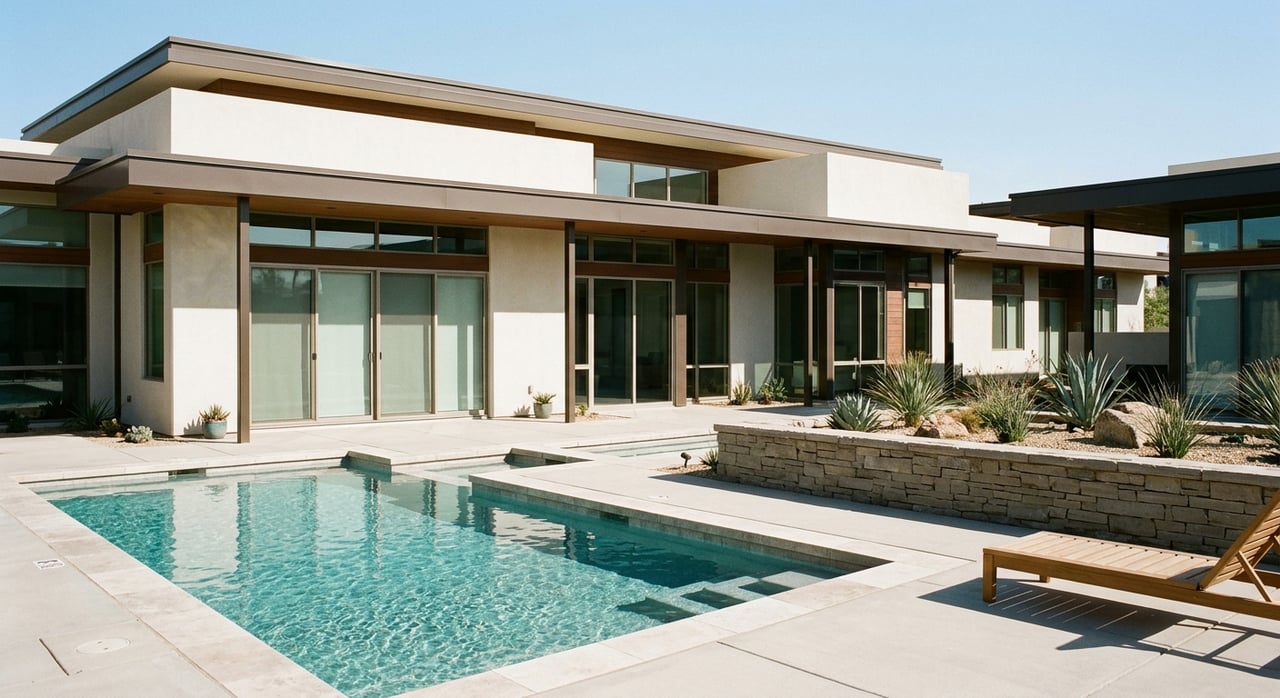
If you are getting ready to sell in Palm Desert, one question can shape almost every step that follows: are you selling a condo or a house? While both property types can attract strong interest, the selling process is not the same. Understanding the differences can help you price more accurately, prepare more strategically, and avoid delays once you accept an offer. Let’s dive in.
Palm Desert is not a market where most listings fly off the shelf overnight. Recent market data shows a median sale price around $599,000, with homes taking about 80 days to sell on average and selling roughly 4% below list price. Condo data points to a $499,000 median listing price and about 83 days on market.
That matters because whether you are selling a condo or a detached home, a realistic timeline is often closer to two to three months than two to three weeks. In other words, the right plan in Palm Desert usually combines smart pricing, solid preparation, and patience.
The biggest difference between selling a Palm Desert condo versus a house is often what happens behind the scenes. In a condo sale, you are not just selling the unit itself. You are also selling ownership within a common interest development, which means buyers need details about the homeowners association.
California requires condo sellers to provide important association-related documents before closing. That can include governing documents, recent association documents, current assessments and fees, unresolved violation notices, rental restrictions, board minutes if requested, and the most recent inspection report.
For many sellers, this is where condo transactions slow down. If those records are not ordered early, reviewed carefully, and packaged clearly, escrow can hit avoidable delays.
Buyers want to know what they are stepping into, and lenders do too. HOA dues, special assessments, reserve strength, insurance, parking rules, and amenity access can all affect affordability and buyer confidence.
If your HOA has unresolved violations or potential assessment changes, those issues can become major talking points during escrow. Bringing them to light early gives you more control over expectations and reduces last-minute surprises.
Selling a house in Palm Desert still involves required disclosures, but the process is often less HOA-heavy. Detached homes generally rely more on the standard California transfer disclosure package and hazard disclosures, including applicable flood, fire, earthquake-fault, seismic hazard, inundation, and wildland fire zones where required.
That does not mean a house sale is simple or light on disclosure. It just means the prep work tends to center more on the home itself rather than the financial and operational health of an association.
When you sell a detached home, buyers often focus quickly on visible upkeep. Curb appeal, landscaping, paint, roof condition, HVAC, and overall maintenance can shape how buyers view value before they even get deep into the disclosures.
In Palm Desert, exterior presentation can carry real weight. A clean entrance, tidy desert landscaping, and evidence that the major systems have been cared for can make your home feel more move-in ready and more competitively positioned.
Pricing strategy should reflect what buyers are actually comparing. A condo buyer is often weighing your unit against other listings with similar amenities, dues, and community features. A house buyer is usually comparing lot size, privacy, outdoor space, and the condition of the property’s major systems and finishes.
Because Palm Desert has a sizable condo inventory, pricing a condo requires discipline. The market data suggests condos do not necessarily sell faster than houses here, so overpricing can cost you valuable time.
For condos, list price should account for more than size and interior upgrades. Buyers and lenders may look closely at:
In Palm Desert, condo values are often shaped by lifestyle-driven communities such as Palm Valley Country Club, South Palm Desert, Desert Horizons, Laguna De La Paz, and Ironwood Country Club. That means your pricing strategy should reflect both the unit and the broader community story.
For detached homes, pricing tends to depend more on features you can see and use directly. These often include:
If a house shows well from the street and feels well maintained throughout, buyers may be more comfortable with your asking price. If the exterior or major systems raise questions, pricing often needs to leave room for buyer hesitation.
Another major difference is financing. When a buyer uses a mortgage to purchase your condo, the lender may review not only the buyer and the unit, but the condo project itself.
That review can include the HOA budget, reserve funding, and delinquent assessments. In a full review scenario, lenders may look for no more than 15% of units to be 60 or more days behind on common expense assessments, and they may also expect the budget to fund replacement reserves at 10% unless a reserve study supports another structure.
This extra layer of lender review is one reason condo transactions can take longer or become more fragile. Buyers often have a limited window to review condo documents after an offer is accepted, so delays in document delivery can put pressure on the entire deal.
If there are concerns about HOA financial stability or deferred maintenance in the project, financing can become more complicated. For sellers, the practical takeaway is simple: the earlier you gather and review association documents, the smoother your escrow is likely to be.
The strongest marketing message depends on what buyers value most in each property type. In Palm Desert, that distinction is especially important because the city has a large share of older residents and a strong owner-occupancy rate, which points to meaningful demand for lower-maintenance ownership in HOA communities.
That does not mean every condo buyer wants the same thing or every house buyer does either. It does mean your listing should clearly match the lifestyle and practical priorities that come with the property.
A condo listing tends to perform best when it answers the questions buyers already have. Clear messaging often includes:
For many Palm Desert condo buyers, clarity builds confidence. If the HOA story is strong, it should be part of the marketing from day one.
A house listing often benefits from a more visual, property-forward story. Marketing should highlight:
House buyers are often looking for more control over the property and more separation from neighbors. Your marketing should help them picture that experience clearly.
If you are selling a condo, start with the paperwork. If you are selling a house, start with the property condition.
That simple rule can save time, stress, and unnecessary back-and-forth once your home hits the market.
Before listing, it helps to:
Condo preparation is often less about flower beds and front doors and more about making the community information easy to review.
Before listing a detached home, focus on presentation and major maintenance items. A strong checklist includes:
In many house sales, visible upkeep helps shape both buyer interest and negotiating strength.
Selling a Palm Desert condo versus a house means preparing for two different kinds of buyer decision-making. Condo buyers and lenders often dig deeper into dues, reserve funding, assessments, and HOA operations. House buyers usually focus more on curb appeal, maintenance, outdoor space, and the condition of the home itself.
In both cases, success starts with a realistic timeline, market-based pricing, and a clear plan before you list. When you understand what buyers are likely to scrutinize, you can prepare smarter and sell with fewer surprises.
If you want tailored advice on pricing, prep, and positioning for your Palm Desert property, Amber Haaland can help you build a strategy that fits your home and today’s market.
Browse active listings in the area or contact us for off-market listings.
Have an expert help you find out what your home is really worth.