
Home
About Amber
Portfolio

Home Search
Home Valuation
Neighborhoods
Testimonials
Buyer's Guide
Seller's Guide
Mortgage Calculator
Contact Us
My Search Portal
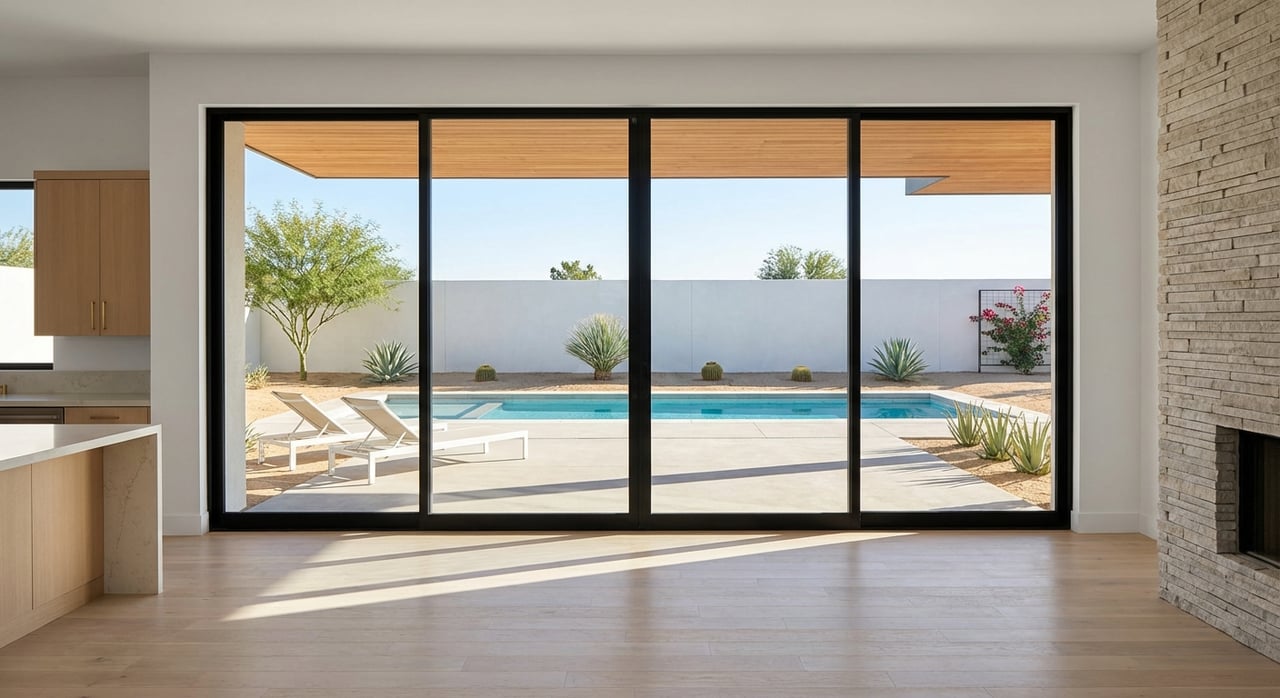
Thinking about trading gray winters for blue skies and mountain views? If you’re considering Palm Desert, you’re not alone. Many people look here for a relaxed, resort-style lifestyle with easy access to shopping, dining, and outdoor fun. In this guide, you’ll learn what year-round life really feels like, from weather and seasonal rhythms to daily conveniences, housing, and healthcare. Let’s dive in.
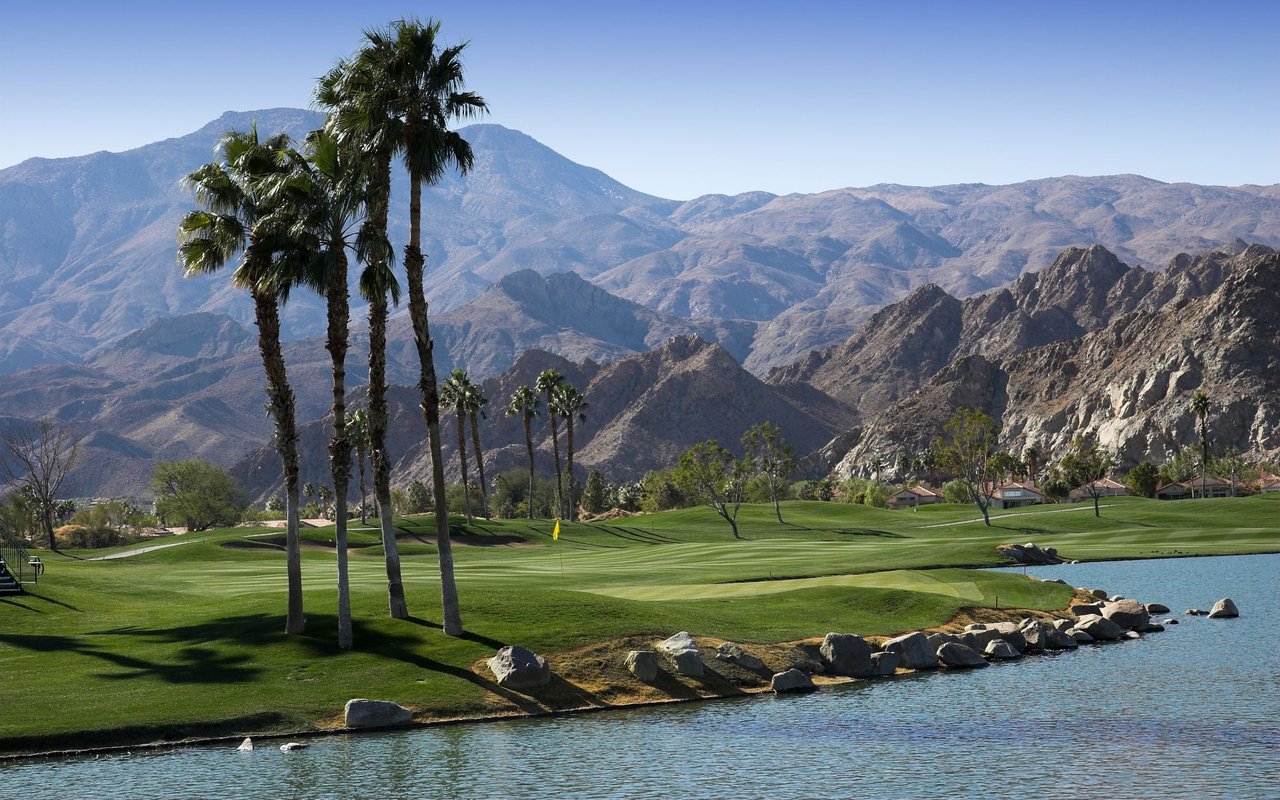
Palm Desert sits on the Coachella Valley floor with the Santa Rosa and San Jacinto Mountains framing the skyline. The city’s lifestyle centers around golf and active living, with shopping and dining clustered along the El Paseo corridor. The population is about 53,147 as of July 2024, and a significant share of residents are 65 or older, which helps drive the area’s active‑adult community scene and a busy winter season for part‑time residents. You can explore more demographics through the U.S. Census QuickFacts for Palm Desert. See the latest city snapshot.
Commuting tends to be straightforward. The average travel time to work is about 21 minutes, reflecting a car‑oriented, suburban pattern. View the commute profile.
Palm Desert has a classic hot desert climate: long, very hot summers and mild, sunny winters. According to NOAA’s 1991–2020 climate normals, winter daytime highs commonly land in the 60s to 70s Fahrenheit, with cool nights that feel crisp and comfortable for outdoor activities. Summer highs often reach the 90s and low 100s, and mid‑summer can climb well above 100. Rainfall is low each year, usually a few inches total, with the potential for summer monsoon thunderstorms in July and August. Check the NOAA climate normals.
Greater Palm Springs also markets more than 300 days of sunshine a year, which supports an outdoor lifestyle for much of the year. Expect early‑morning and evening routines in July and August when heat peaks, with pools, shade, and indoor breaks anchoring midday plans. Learn more about the region’s sunshine and quality of life.
Palm Desert’s tempo shifts with the seasons:
HOA communities play a big role in social life, from fitness and golf to arts and neighborhood clubs. Seasonal arrivals also influence demand for services, appointments, and dining reservations in winter.
You’ll find a mix of single‑family homes, condos, and many planned communities. Gated country‑club and golf communities, age‑restricted or active‑adult developments, and low‑maintenance condos are common. Broadly speaking, south Palm Desert and guard‑gated golf enclaves tend to carry higher prices, while condos and older properties can offer lower entry points.
If you want resort‑style amenities and social programming, HOA communities make that simple. If you prefer more independence, there are non‑HOA pockets and single‑family neighborhoods that still sit close to parks, shopping, and schools.
Pricing varies widely by neighborhood, floor plan, and community amenities. As of January 31, 2026, local market gauges show typical home values in the low to mid $500,000s, with many golf and south Palm Desert properties trading much higher. Typical asking rents sit around the mid $2,000s. Entry points often include smaller condos, while seven‑figure homes are common in select golf and luxury enclaves. Always check up‑to‑date pricing for your target neighborhoods.
El Paseo is the city’s upscale shopping and dining heart, often called the “Rodeo Drive of the Desert.” You’ll find art galleries, boutiques, and patios that make al fresco lunches and dinners part of the routine. Around town, everyday errands are easy, with major grocers like Stater Bros., Trader Joe’s on Town Center Way, and specialty markets such as Sprouts in nearby centers. The wider Coachella Valley food scene has also diversified in recent years, so you can choose from casual local spots to higher‑end hotel restaurants with outdoor seating.
Palm Desert is designed for drivers, and most errands are quickest by car. SunLine Transit operates regional bus routes that connect Palm Desert with neighboring cities, which helps students and no‑car households move around. See SunLine schedules and routes.
For flights, Palm Springs International Airport is a short drive away, typically 15 to 25 minutes depending on where you live in the city and traffic. The airport’s nonstop route map tends to expand in winter and shoulder seasons, which can be useful if you travel frequently.
Palm Desert is served by Desert Sands Unified School District. Families can explore a range of public, charter, and private school options, including Palm Desert High School within the city. For higher education, the College of the Desert main campus anchors local community college programs and workforce training. Always review current district resources and school reports to understand programs and enrollment.
Residents typically use Eisenhower Health in Rancho Mirage and Desert Regional Medical Center in Palm Springs for full‑service hospital care and specialties. John F. Kennedy Memorial Hospital in Indio is another regional option. Many primary care, urgent care, and specialty clinics operate in and around Palm Desert, which helps keep routine appointments close to home.
If you love the outdoors, you’ll have plenty to do:
Summer comfort starts with smart planning. Most residents shift outdoor routines to early morning and evening in July and August. Pools, shade structures, and efficient HVAC systems matter. Water‑wise landscaping and xeriscaping are common, both for conservation and low maintenance. If you are buying in an HOA, review community rules on landscaping, exterior changes, and amenities so you understand costs and services upfront.
If you want a personalized neighborhood shortlist, current price bands, and on‑the‑ground guidance, connect with Amber Haaland for a local plan that fits your goals.
Browse active listings in the area or contact us for off-market listings.
Have an expert help you find out what your home is really worth.